Introduction: Why Web 3.0 Is the Internet’s Next Big Shift
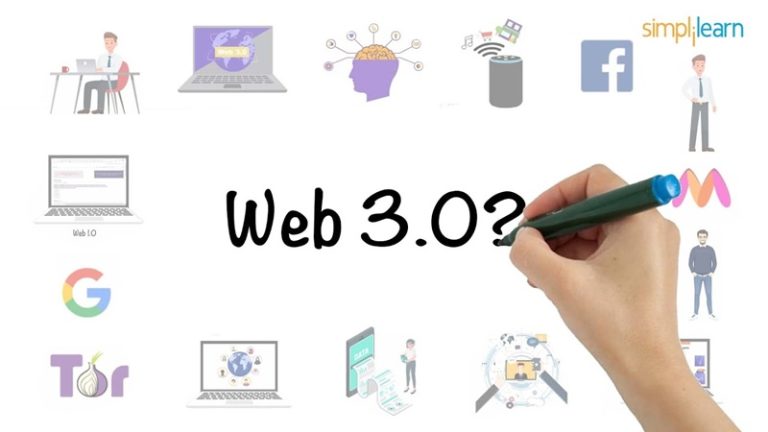
Back in the 90s, we had Web 1.0 – basically static, read-only pages. Nothing interactive, just… there. Like brochures lying around. Then came Web 2.0 – and wow, the internet got lively. Social media popped up, YouTube, online shopping – you could post, comment, share, like… the whole shebang. Suddenly, the web wasn’t just there, it was buzzing, alive. And now, in 2025, there’s all this chatter about Web 3.0.
You’ve probably bumped into the term with blockchain, crypto, or the metaverse. But what does it really mean? Well… think of it like moving out of a rented flat where the landlord sets all the rules into your own flat where you call the shots. All your digital stuff – your data, identity, assets – actually yours. Makes you feel a bit in control, doesn’t it?
What is Web 3.0? (Definition + Simple Explanation)
Okay, let’s strip the jargon. Web 3.0 is a decentralised, blockchain-based internet. Unlike Web 2.0, where tech giants like Google or Meta hold all the keys, Web 3.0 spreads the power. No single corporation decides everything. You do.
Quick comparison? Sure:
- Web 1.0: Read websites. Done.
- Web 2.0: Read and interact – post, like, share, comment.
- Web 3.0: Read, interact, and own your digital life. Assets, identity, everything.
Some examples to make it real:
- NFTs: Artists sell digital creations directly. No middlemen, galleries, or fees taking chunks. Nice, right?
- DeFi: Lending, borrowing, investing – all peer-to-peer. Banks optional.
- Metaverse platforms: Places like Decentraland. Buy land, host events, meet people digitally.
It’s not just tech. It’s cultural. Privacy, ownership, freedom – all back in your hands.
Key Features of Web 3.0
So what makes it tick? Here’s the human take:
1. Decentralisation & Blockchain
Your data isn’t stuck in one server somewhere. Spread across networks. Harder to hack, harder to censor.
2. Smart Contracts & Tokenisation
Agreements that execute themselves. Tokens can represent money, ownership, NFTs – whatever you fancy.
3. AI & Semantic Web
Smarter web. Connects info, improves searches, suggests better stuff, automates boring bits.
4. Privacy & Security
You decide who sees what. Less Big Tech meddling.
It’s clever, it’s safer, and it’s personal.
Why Web 3.0 Matters: Benefits & Opportunities
Why bother? Well… for users and businesses, it’s not trivial:
- Digital Ownership: Creators keep control. Musicians, designers, game developers – monetise directly, no middlemen.
- Financial Independence: DeFi lets you lend, borrow, invest peer-to-peer. A fresh way to think about money.
- Control Over Data: Share what you want, hide the rest. Simple.
It’s all about freedom, digital and financial. Bit revolutionary, isn’t it?
Web 3.0 Projects to Watch in 2025
Right, now let’s get to the exciting part: projects worth checking.
1) Ethereum – The Smart Contracts Backbone
Ethereum runs most decentralised apps. Proof of Stake makes it faster, greener. NFTs, DeFi – still going strong.
2) Polkadot – Interoperability at Its Core
Polkadot lets blockchains talk to each other. “Glue for the chains,” some say. Could be a game-changer.
3) Chainlink – The Data Oracle
Smart contracts need real-world info. Chainlink feeds stock prices, weather, events… so contracts actually work.
4) Filecoin & IPFS – Decentralised Storage
Files aren’t stuck on one server. Spread across a network, safer. Less chance of disappearing.
5) Decentraland & The Sandbox – Metaverse Leaders
Virtual land, socialising, gaming – pioneers of the metaverse. Buy land, build, play, meet people.
6) Helium – Decentralised Wireless Network
Run hotspots, earn tokens, help build a global Wi-Fi network. Quirky but clever.
These Web 3.0 crypto projects are shaping industries, not just experiments.
How to Get Started with Web 3.0 (Beginner-Friendly Guide)
Want in? Here’s a roadmap:
- Learn the basics: Blockchain, wallets, decentralisation – plenty of guides around.
- Set up a wallet: MetaMask or TrustWallet. Simple.
- Explore dApps: NFT marketplaces, DeFi platforms, metaverse worlds. Just poke around.
- Join communities: Discord, Reddit, X (Twitter). Loads of advice, discussions, debates.
- Start small: Stake a little, trade a bit, explore assets. Baby steps.
Challenges & Risks of Web 3.0
It’s not all sunshine. Watch out:
- Scalability Issues: Some blockchains are slow; fees spike. Bit annoying.
- Regulatory Uncertainty: The rules still catching up.
- Security Risks: Scams, rug pulls, fake projects. Stay alert.
- User Adoption Hurdles: Feels technical. Wider adoption needs simpler UX.
The Future of Web 3.0: What’s Next?
From 2025–2030, expect Web 3.0 to blend with AI, VR/AR, Metaverse. Finance will decentralise further. Social media might leave Big Tech behind.
Time to prep for tokenisation, digital assets, and user-first platforms. The future is convergence – multiple techs blending, all focused on the user.
Conclusion: Web 3.0 – The Next Evolution of the Internet
Web 3.0 isn’t hype. From DeFi to metaverse platforms, the web is being rebuilt around users, not corporations.
For the readers, this opens doors to digital business, safer ownership, and financial independence. Learn, explore, engage before everyone else catches on.
FAQs About Web 3.0
Is Web 3.0 the same as crypto?
Not exactly. Crypto is part of it, yes, but Web 3.0 also includes decentralisation, ownership, and smarter applications.
How will Web 3.0 change the internet?
It puts control back in users’ hands. Privacy, ownership, peer-to-peer interaction.
What are the top Web 3.0 projects?
Ethereum, Polkadot, Chainlink, Filecoin, Decentraland – big names in 2025.
Can beginners invest safely?
Yes, but carefully. Start small, research, stick to trusted wallets/exchanges.
About the Author